Reverend Ivan Dornic
Slavic Heritage Festival
Important Announcement: Festival Postponed
.png)
Celebrating our Slavic Countries
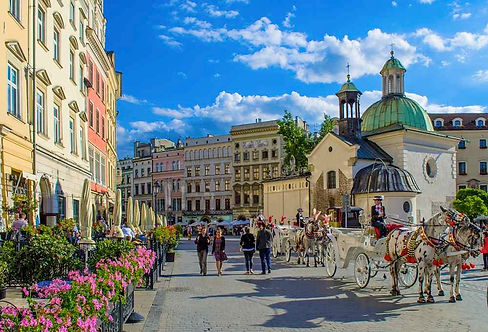
Poland
Capital: Warsaw | Language: Polish | Known for: Wycinanki paper art and Chopin's mazurkas
-
Wycinanki, the folk art of layered paper cutting, produces dazzling roosters, flowers, and stars in saturated colors.
-
National dances like the stately polonaise, the spirited mazurka, and the galloping krakowiak shaped ballrooms across Europe.
-
Frédéric Chopin transformed Polish folk rhythms into some of the most beloved piano music ever written.
-
Hand-painted Bolesławiec stoneware, with its peacock-eye pattern, is collected worldwide.
-
Pisanki, intricately decorated Easter eggs, share a family tree with Ukrainian pysanky and appear on Polish tables every spring.

Belarus
Capital: Minsk | Language: Belarusian | Known for: Straw art and embroidered rushnyk towels
-
Belarusian straw weaving is so intricate it's recognized by UNESCO, with artisans crafting everything from "straw spiders" hung over cradles to full decorative crowns.
-
Vytsinanka, the folk art of paper cutting, turns simple sheets into lace-like scenes of birds, trees, and village life.
-
Embroidered rushnyk towels carry symbolic red-and-white patterns and mark every major life event, from weddings to welcomes.
-
The midsummer Kupalle festival keeps ancient traditions alive with bonfires, flower wreaths floated on rivers, and all-night folk singing.
-
Slutsk sashes, woven with gold and silk threads, were once the pride of noble dress and remain a national symbol of craftsmanship.

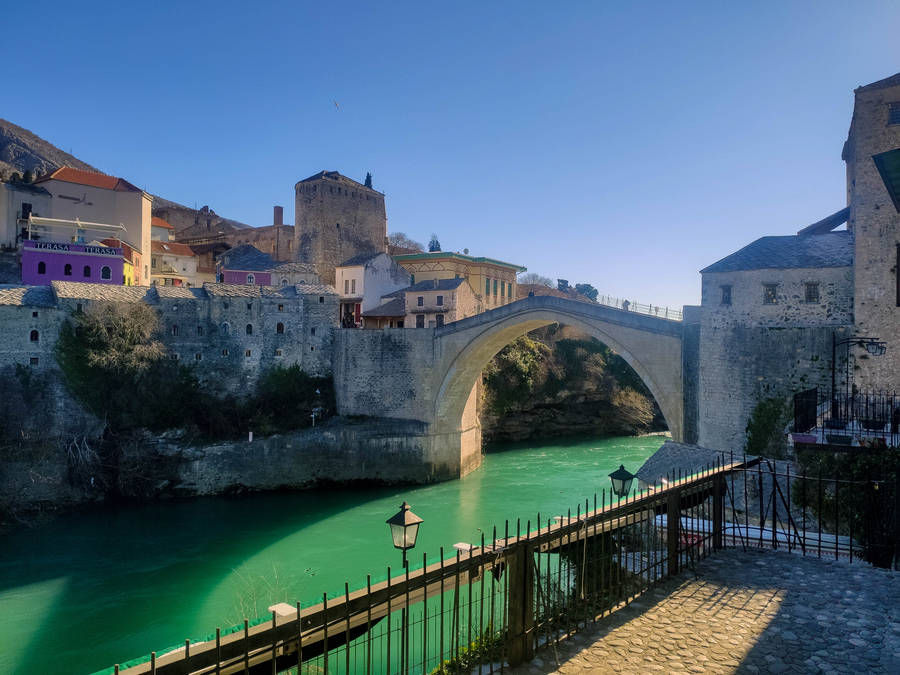
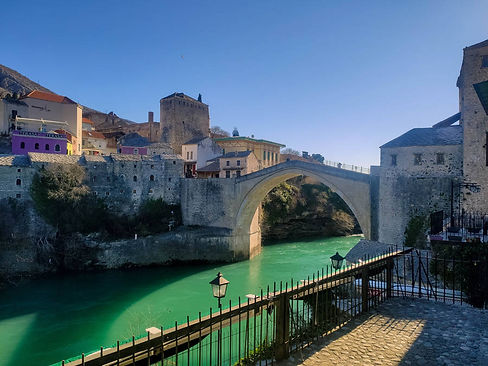
Bosnia and Herzegovina
Capital: Minsk | Language: Belarusian | Known for: Straw art and embroidered rushnyk towels
-
Belarusian straw weaving is so intricate it's recognized by UNESCO, with artisans crafting everything from "straw spiders" hung over cradles to full decorative crowns.
-
Vytsinanka, the folk art of paper cutting, turns simple sheets into lace-like scenes of birds, trees, and village life.
-
Embroidered rushnyk towels carry symbolic red-and-white patterns and mark every major life event, from weddings to welcomes.
-
The midsummer Kupalle festival keeps ancient traditions alive with bonfires, flower wreaths floated on rivers, and all-night folk singing.
-
Slutsk sashes, woven with gold and silk threads, were once the pride of noble dress and remain a national symbol of craftsmanship.
Bulgaria
Capital: Sofia | Language: Bulgarian | Known for: Haunting choral singing and the horo dance
-
Bulgarian women's choirs are world famous for their open-throat harmonies, a sound that has won Grammys and even traveled to space on the Voyager Golden Record.
-
The horo, a joyful line dance in complex rhythms, is danced at every celebration, and everyone is welcome to join the chain.
-
Each March, Bulgarians exchange martenitsa, red-and-white yarn charms worn until the first stork or blossom of spring.
-
Kukeri dancers in towering masks and cowbells parade to chase away evil spirits, one of Europe's oldest surviving rituals.
-
The Cyrillic alphabet traces to the disciples of Saints Cyril and Methodius, whose legacy this festival honors.


Croatia
Capital: Zagreb | Language: Croatian | Known for: Licitar hearts and klapa harmony singing
-
Bright red licitar gingerbread hearts, iced with mirrors and messages, are a beloved token of affection and a UNESCO-recognized craft.
-
Klapa, the a cappella harmony singing of Dalmatia, fills seaside squares with multi-part song and holds UNESCO status.
-
The tamburica, a plucked string instrument, anchors Croatian folk orchestras from Slavonia to the diaspora.
-
Lace from Pag, Hvar, and Lepoglava is so fine it's protected by UNESCO, with each town keeping its own secret techniques.
-
Regional folk costumes range from the red-fringed parasols of Šestine to gold-embroidered Slavonian silks.
Czechia
Capital: Prague | Language: Czech | Known for: Marionettes, crystal, and the polka
-
The polka was born in Bohemia in the 1830s and conquered the world's dance floors, and it still gets everyone moving at Czech festivals.
-
Czech marionette puppetry, a UNESCO-listed art, has enchanted audiences for centuries with hand-carved characters and traveling theaters.
-
Bohemian crystal and glassmaking set the world standard for cut, engraved, and colored glass.
-
Moravian kroje folk costumes explode with embroidered flowers, starched lace, and ribbons, each village with its own pattern.
-
Composers Antonín Dvořák and Bedřich Smetana wove folk melodies into symphonies the whole world knows.


Montenegro
Capital: Podgorica | Language: Montenegrin | Known for: The soaring Oro dance and epic song
-
In the Oro dance, dancers form a circle while pairs leap to its center, and the finale features dancers standing on each other's shoulders like an eagle taking flight.
-
Epic poems sung to the one-stringed gusle preserve centuries of history, heroes, and mountain legend.
-
The traditional Montenegrin cap carries deep symbolism in its red top, black rim, and golden braid.
-
The Boka Navy of Kotor, with its ceremonial circle dance performed for 12 centuries, holds UNESCO recognition.
-
Filigree silver jewelry and richly embroidered festive dress reflect both Adriatic and highland influences.
North Macedonia
Capital: Skopje | Language: Macedonian | Known for: The Teškoto dance and Ohrid's treasures
-
The Teškoto, or "heavy dance," begins in slow, solemn steps and builds to triumphant leaps, telling the story of hardship and freedom.
-
The piercing zurla horn and booming tapan drum are the heartbeat of Macedonian village celebrations.
-
Ohrid pearls, made by a secret family recipe for over a century, are treasured bridal jewelry.
-
The frescoes and icons of Ohrid's medieval churches rank among the finest Byzantine art anywhere.
-
The Galičnik Wedding Festival revives a full traditional mountain wedding each July, complete with costumes, drums, and dance.


Serbia
Capital: Belgrade | Language: Serbian | Known for: The kolo dance and monastery frescoes
-
The kolo, Serbia's beloved circle dance, holds UNESCO status and welcomes every generation into the ring at weddings and feasts.
-
The frula, a small wooden flute, carries shepherd melodies that inspired generations of folk orchestras.
-
Epic poetry sung to the gusle preserved Serbian history through centuries and is UNESCO-recognized.
-
The slava, each family's celebration of its patron saint, blends faith, feasting, and hospitality and is also on UNESCO's list.
-
Medieval monasteries like Studenica and Sopoćani hold frescoes considered masterpieces of European art.
Slovakia
Capital: Bratislava | Language: Slovak | Known for: The fujara flute and indigo blueprint textiles
-
The fujara, a six-foot shepherd's flute with a deep, meditative voice, is a UNESCO-recognized symbol of the Slovak highlands.
-
Modrotlač, the craft of indigo-dyed blueprint fabric stamped with white patterns, dresses both folk costumes and modern designs.
-
The painted houses of Čičmany, covered in white geometric patterns, look like embroidery on wood.
-
Villages across Slovakia keep distinct kroje costumes and dance traditions alive through folklore ensembles.
-
Saints Cyril and Methodius began their Slavic mission in Great Moravia, with the Slovak city of Nitra among their first seats.

Slovenia
Capital: Ljubljana | Language: Slovenian | Known for: Painted beehive panels and Idrija lace
-
Slovenia's painted beehive panels are a folk art found nowhere else, tiny wooden canvases showing saints, satire, and village humor.
-
Idrija bobbin lace, twirled from dozens of threads at once, holds UNESCO recognition and adorns everything from gowns to jewelry.
-
The Kurentovanje carnival sends fur-clad, bell-ringing Kurent figures through the streets to chase away winter.
-
Accordion-driven Oberkrainer music, popularized by the Avsenik brothers, became the soundtrack of Alpine celebrations worldwide.
-
The dragon of Ljubljana, guardian of the capital, appears on bridges, flags, and festival art.
Ukraine
Capital: Kyiv | Language: Ukrainian | Known for: Pysanky eggs and the soaring hopak dance
-
Pysanky, Easter eggs written in wax and dye with symbols of protection and renewal, are among the most treasured of all Slavic folk arts.
-
The vyshyvanka embroidered shirt carries regional patterns so distinct that a trained eye can read a wearer's home village.
-
Petrykivka decorative painting, with its flowing flowers and firebirds, is UNESCO-listed and instantly recognizable.
-
The hopak, crowned by gravity-defying leaps and spins, grew from Cossack celebrations into Ukraine's national dance.
-
The many-stringed bandura accompanies a centuries-old tradition of sung poetry and history.


Lemko Heritage
Homeland: The Carpathian highlands | Language: Lemko (Rusyn) | Known for: Wooden churches and a resilient mountain culture
-
The Lemkos, a Carpatho-Rusyn highland people, built wooden tserkva churches without a single nail, several now protected by UNESCO.
-
Lemko icon painting flourished for centuries, blending Eastern Byzantine tradition with Carpathian folk style.
-
Nikifor of Krynica, a self-taught Lemko painter, became one of the most celebrated naive artists of the 20th century.
-
Pop art icon Andy Warhol was the son of Lemko immigrants, and a museum in his family's ancestral region honors that heritage.
-
Lemko song, dialect, and dress survived displacement and diaspora, and festivals like ours help keep that flame lit.